
The everyday use of generative AI since 2023 has changed our operating environment in a way that there is no return to the past. This is very concretely reflected in the development activities promoted by wellbeing services counties in Finland. Over the past few years, more than a hundred different AI pilots, implementations, or other development measures have been initiated and completed.
In the AI network of wellbeing services counties in Finland, the status of AI development in wellbeing services counties is maintained. The goal is to gather information about AI-related development already carried out and ongoing to enable transparency and information sharing. The targets are classified based on the applied AI area and use cases.
So far, 147 AI-related development cases have been identified and described from 19 different wellbeing services counties in Finland. The status of AI development is updated quarterly as part of the activities of the wellbeing services counties’ AI network.
AI utilization is promoted on a broad front
All wellbeing services counties in Finland have ongoing activities related to AI utilization. Currently, 147 projects related to the AI development have been identified in wellbeing services counties, which are ongoing or have been already implemented. Figure 1 below shows how the targets are distributed among different wellbeing services counties and the state of development.
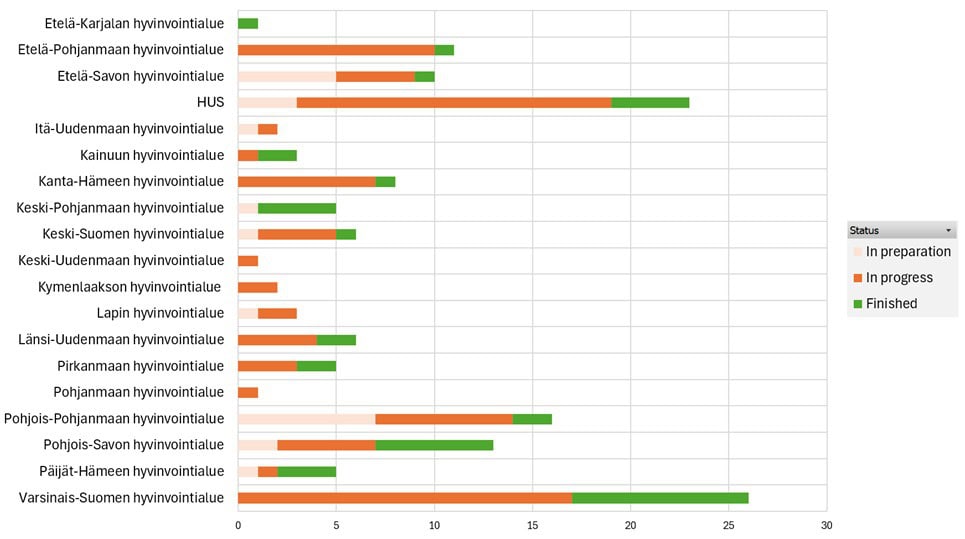
Figure 1, Distribution of Development Targets by Wellbeing Services County
A significant group of wellbeing services counties in Finland is already investing heavily in AI development and actively promoting various experiments, pilots, implementations, and research. However, based on discussions during data collection, it has become clear that some wellbeing services counties in Finland are still cautious about utilizing AI. These counties are waiting for lessons from others, the maturity of solutions and regulations to develop, and are focusing on drafting policies and governance practices to support future development.
Significant investments in generative AI, but other AI areas are also developing
Generative AI is one of the most significant breakthroughs of this decade. It can create new information or content instead of just analyzing or classifying existing data. The potential of generative AI is significant, and it is also emphasized in ongoing development, providing a boost to AI development in wellbeing services counties in Finland more broadly.
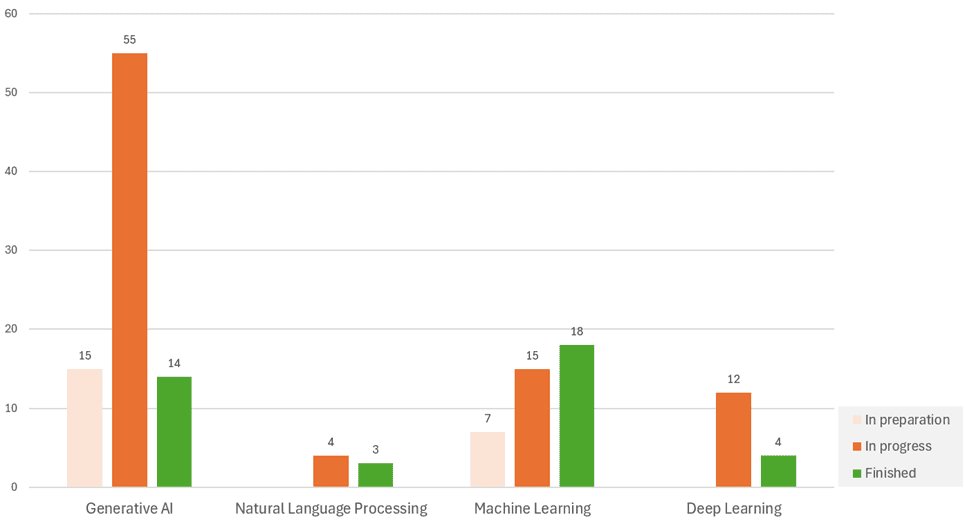
Figure 2, AI Methods in Wellbeing Services County Development
Figure 2 presents various AI methods applied in the development. Machine learning, deep learning, and natural language processing have long been utilized, and development related to their utilization is still ongoing. This development has mainly focused on supporting various diagnostics in hospital environments, such as detecting anomalies or specific indicators in images and text materials, but also, for example, AI-assisted quality assurance. Particularly, the utilization of deep learning in various diagnostic functions remains a clear focus area for development.
However, the development of generative AI has enabled it to be utilized in new use cases, cutting across operations from administration to specialized services. Over the past couple of years, a significant number of various development activities have been initiated around generative AI.
Regarding the applied AI methods in development, it should be noted that often many different AI capabilities are utilized in a specific development target. However, in some cases, it has been difficult to interpret which AI methods have been utilized in the solution. This may slightly distort the number of development targets related to different AI methods, but the overall impact cannot be considered significant.
It is evident that in the future, the growth in the utilization of generative AI will continue as language models develop and various practical application areas are identified. It is also very likely that the utilization of other AI areas, particularly the combined use of different methods, will increase as generative AI develops and AI awareness increases – Generative AI is not the best solution for all use cases.
AI utilization is promoted in various ways
The status shows that AI utilization is promoted in wellbeing services counties in various ways. Figure 3 presents how development is divided into experiments (PoC or Proof of Concept), piloting, development, and implementations. Currently, it seems that some experiments have already progressed closer to the situation where the goal is to achieve production capability.
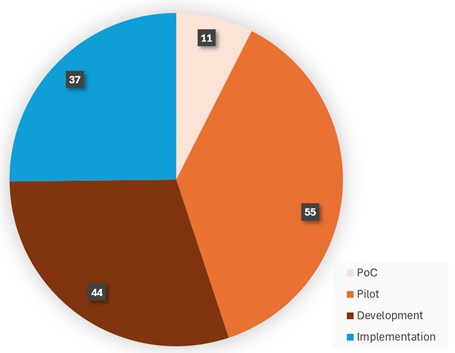
Figure 3, Nature of Development
Various experiments are currently being promoted the most in wellbeing services counties. Piloting tests the capability of an existing AI product or technology in a production-like environment for a specific use case or user group. Piloting also increases understanding of the impact assessments and other considerations required for broader implementation. A common example of a pilot is utilization of Microsoft’s Copilot, which assists with administrative tasks.
AI solution development is also widely promoted in the areas. Development involves either research or solution development for a specific use case carried out as the wellbeing services county’s own work or in collaboration with a partner. The large number of development can be seen as particularly positive, as it can lead to new AI solutions to support other wellbeing services counties as well. Development also increases Finnish AI expertise and can potentially lead to international success stories.
Implementations involve the deployment of a ready-made product or technology in a production environment. Implementations mainly focus on products utilizing machine and deep learning methods to support diagnostics, but there are also a few products in generative AI whose implementations are being promoted.
The range of AI utilization use cases is expanding
In previous years, AI development primarily focused on various diagnostics, predictions, and partly information production support use cases, applying machine and deep learning methods. However, over the past couple of years, the focus of development has shifted to use cases related to information structuring, summary production, and decision support. The status of AI development has been analyzed in relation to the use case categories and use cases described in the report[1] produced by DigiFinland Oy and NHG Finland in collaboration with the Ministry of Social Affairs and Health. Development emphasizes actions that focus on use cases that promote nursing work, diagnostics, and support functions.
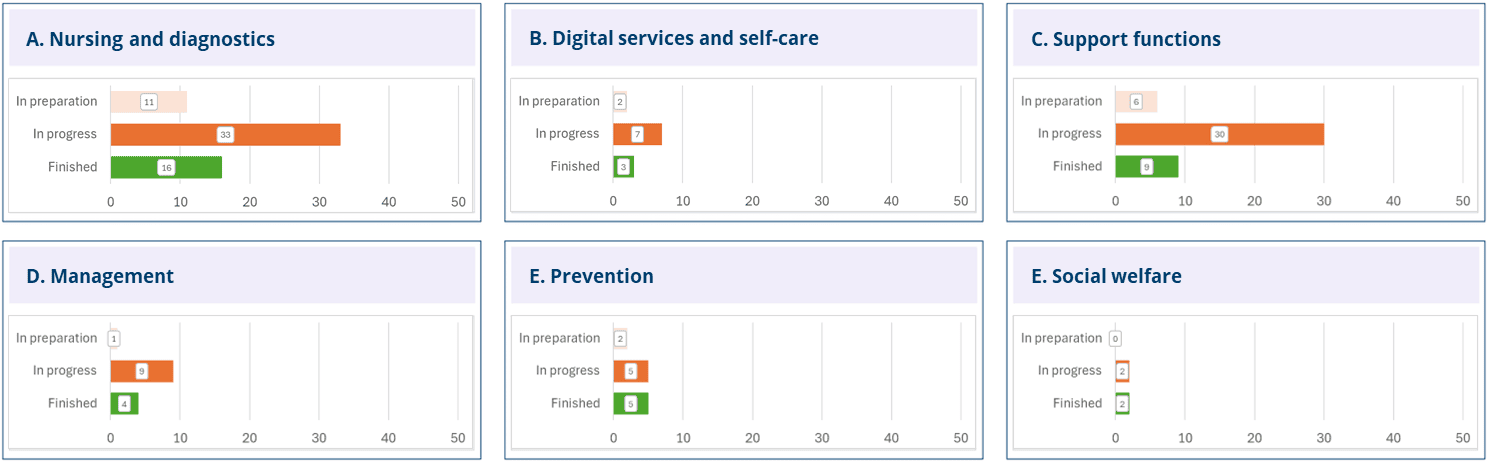
Figure 4, Focus of AI Development in Wellbeing Services Counties on Use Case Categories
In the nursing and diagnostics use case category, hot use cases currently include automated patient records generation and AI-assisted interpretation of diagnostics. Also, the so-called nurse whisperer use case, which compiles background information, provides recommendations, and supports documentation, can be considered a rising use case, as it has been addressed by several development projects.
Development activities are still relatively few in the use case category of digital services and self-care, but a chatbot solution which supports customers in accessing information is being promoted in several development projects.
In support functions, the key use case is improving the productivity of administrative work, which practically means the adoption of AI assistants to streamline administrative processes. In addition, real-time translation, translations into different languages, information searches, and summaries are rising use cases in Finland.
In social welfare and health care management, no hot or rising use cases have been identified now, but several development activities related to predicting resources, costs, and care need, as well as analyzing feedback, are ongoing in wellbeing services counties in Finland.
The use case category of prevention can be considered a rising development target overall. Development has been initiated in several different use cases, and national funding is also being directed to this use case category, which is likely to lead to new development activities in the use case category in the near future.
Development is still very limited in the use case category of social care, but there are certainly opportunities and potential there.
Summary of AI development in wellbeing services counties in Finland
Wellbeing services counties in Finland see that AI utilization has transformative potential in improving productivity and freeing up professionals’ work time for meaningful work. The demand for services grows faster than funding opportunities, so improving the efficiency and impact of professionals’ work is of paramount importance. Even just supporting the automation of documentation is seen as extremely important. Too much of social welfare and health care professionals’ work time is spent on written tasks, such as searching for information and documentation. Freeing up time for customer and patient encounters can bring significant savings. The potential for benefits is also widely recognized in other clinical use cases and in streamlining administrative work.
Many experiments and pilots in recent years have still been limited and have not been tested in real or extensive use. However, due to the good experiences gained from experiments and the gradually clarifying regulatory framework, wellbeing services counties are expanding the scope of pilots and more clearly aiming to develop solutions that will end up in production use.
Of course, there are still some challenges that prevent or slow down development. Although several reports and guidelines on the interpretation of AI regulation have been published in the last six months, there are still open questions related to data protection impact assessments and particularly the consideration of the medical device regulation. In some cases, an unreasonable amount of time must be used in preparation for development. However, this ensures that development can proceed to production use if necessary, managing risks and regulatory requirements.
Globally, Finnish is a small language area and that is also appears challenging in large language models and the somewhat limited investments of major technology providers, particularly in the social welfare and health care sector. The development of a national language model or at least the production of necessary training materials in national cooperation is being considered, which could support AI development in wellbeing services counties. A significant issue is also the needs for operational change management brought about by AI utilization. To fully leverage the potential of AI, management, operations and care professionals must also be ready to utilize it in the right use cases. Therefore, training and the development of AI awareness are also needed extensively. Overall, wellbeing services counties are moving towards a situation where the potential benefits of AI technologies, particularly generative AI, can be gradually realized. At the very least, we are moving towards a situation where benefits and impact can be measured in broader use and various use cases.
Back to finnish version of the article.
[1] https://digifinland.fi/wp-content/uploads/2024/03/DigiFinland_tekoaly_loppuraportti_210324.pdf